Three arcade classics in 3D — Kimi K3 vs Claude Fable 5

Reported by the author — we did not run this. What that means
Output
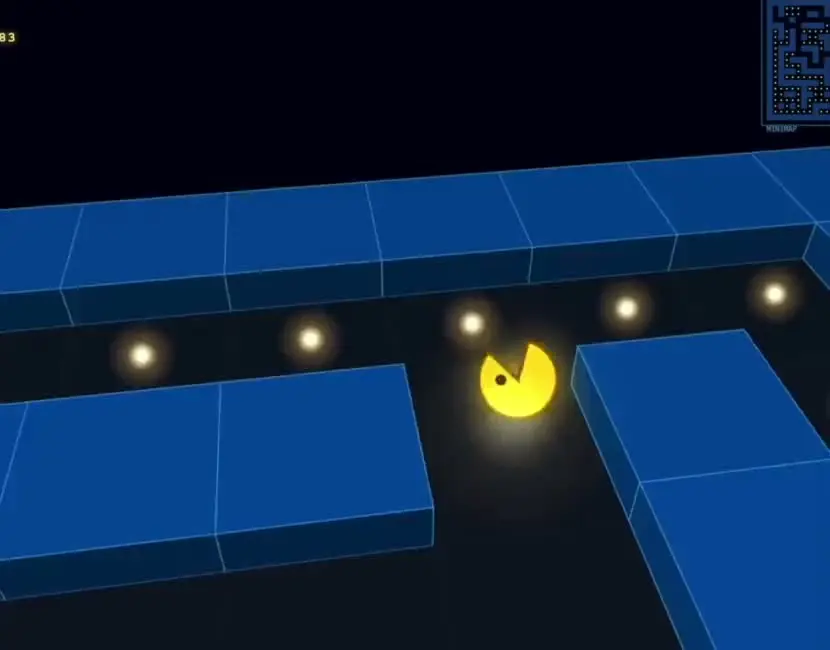
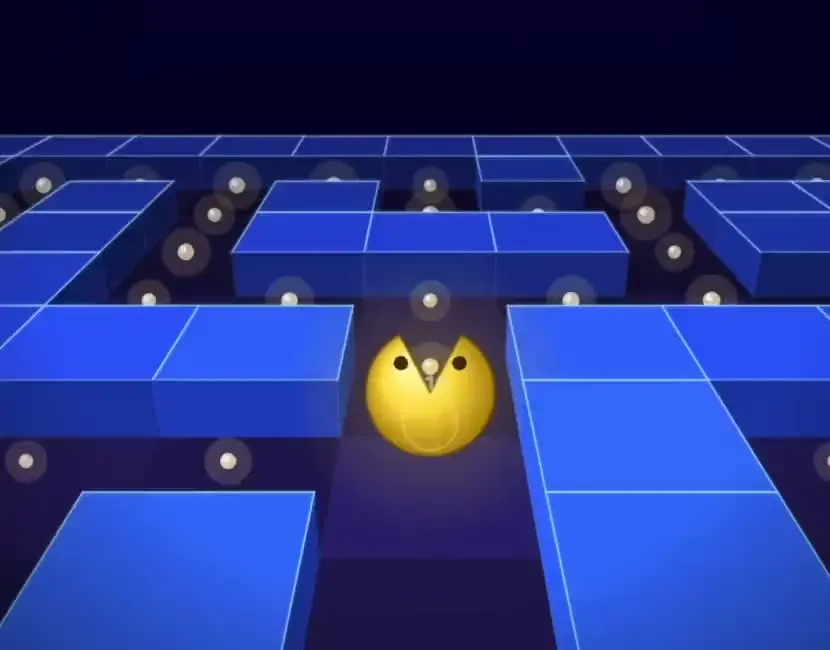
The prompt that built Three arcade classics in 3D
- Pac-Man with four hunting ghosts
- Nokia Snake remade in 3D
- Retro space pinball table with real physics
Runs
What this is, and what it proves
Three one-line briefs — a Pac-Man maze with four hunting ghosts, Nokia Snake in 3D, a retro space pinball table — handed to an open-weight model running on the author's own GPUs and to the strongest cloud model of the moment. Kimi K3 spent roughly 237K tokens on the set, Fable 5 spent 92K. Both shipped all six playable scenes; the clips below are the Pac-Man maze, one half of the author's split screen each.
The prompt behind "Three arcade classics in 3D — Kimi K3 vs Claude Fable 5" is published in full, and was run by 2 models: Kimi K3 and Fable 5. 2 of 2 finished, on figures reported by the author.
- Models
- 2
- Completed
- 2 of 2
- Cheapest completed run
- not measured
Figures reported by Atomic Agent. Not independently verified.
Reported, not measured
Token counts are the author's own figures, published in the post and burnt live into the video; we did not run this and cannot reconcile them against a harness log, and the Kimi figure is given as an approximation. The prompt above is not verbatim — the author published three one-line briefs, not the exact string sent to each model, which is why no hash is recorded. No cost is recorded here: the author states $0 for Kimi because the run was on his own 8x B300 GPUs, and a zero on this site would read as 'this model was free'; he gives $3.60 as the Moonshot API equivalent and $4.50 for Fable 5, neither of which we can verify. Read the post knowing who wrote it: Atomic Agent sells the local-model runner the open-weight side of this comparison runs on, so the test is a vendor's own. Its build is still the author's, and the video shows both artefacts rather than a claim about them. A repost of it by @testingcatalog carries a paid-partnership label; the post credited here does not.